
Discovery a Periodic Table New Rule by Studying the Noble Gases Atomic Number Sequence
1 ABSTRACT
The aim is to reveal a new rule that governs Periodic Table. The basis of study is also the Periodic Table that organizes the elements by their atomic number, their electronic configuration, and their properties. The method is to analyze Noble Gase’s atomic number sequence and try to find a formula that explains this sequence
. The consequences of this new rule led us to understand “Octet Rule” is nothing more than the initial part of a broader rule that truly governs the development of Periodic Table and therefore the behavior of the atom and chemistry itself.
From the new rule, we can also deduce atom shape and electronic configuration, as well as how atom expands its nucleus with new protons to form new elements.
1 PERIODIC TABLE RULE, ANGEL’S RULE
Let's look to Periodic Table Noble Gases succession with their atomic numbers.
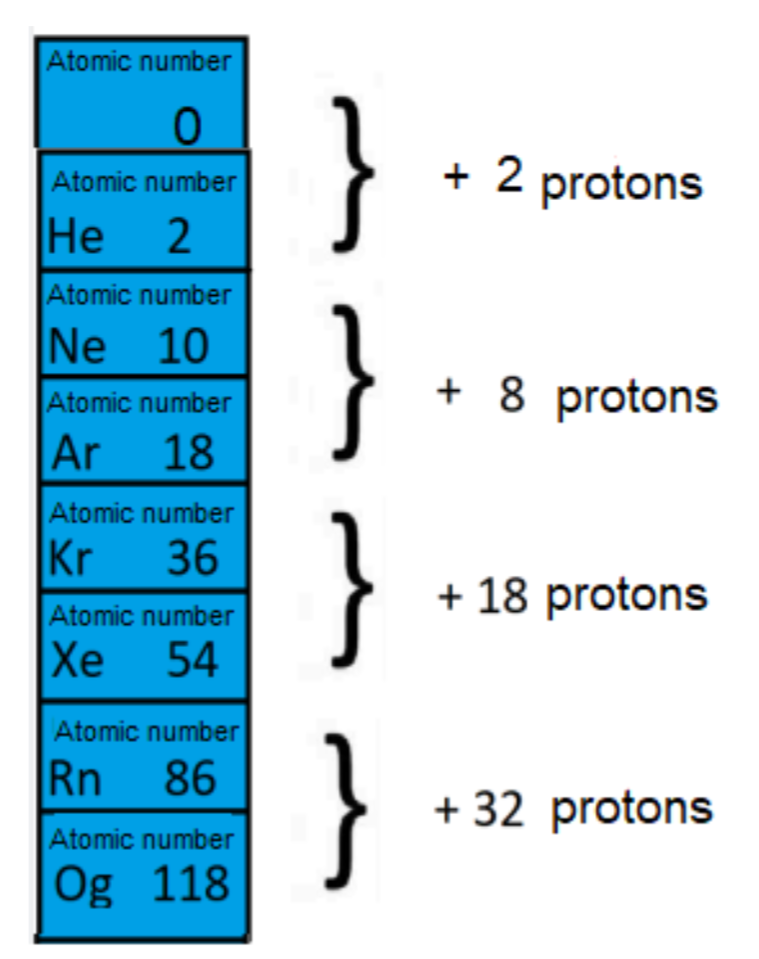
Observing Noble Gases, atomic number can be deduced a pattern among them: From Helium to Neon, 8 protons are added in atom nucleus (from 2 to 10), and from Neon to Argon, another 8 pare added (from 10 to 18).
From Argon to Krypton, 18 protons are added (from 18 to 36), and from Krypton to Xenon, another 18 protons are added (from 36 to 54).
From Xenon to Radon, 32 protons are added (from 54 to 86), and from Radon to Oganesson, another 32 protons are added (from 86 to 118).
Can be seen 2 situations:
A) The number of protons to be added to move from one Noble Gas to the next is grouped in pairs of 2.
B) Between each pair of Noble Gases with the same number of protons added, there is a jump in the number of protons to be added. In other words, from Helium to the Neon-Argon pair, 8 protons are added. From the Neon-Argon pair to the Krypton-Xenon pair,18 protons are added. From Krypton-Xenon pair to the Radon-Oganesson pair, 32 protons are added.
There are 2 topics to consider:
1) why do duplication of the sequence happens; because from Helium to Neon 8 protons are added, and the addition of 8 protons also happens from Neon to Argon. However, from Argon to Krypton, 18 protons are added, the same amount is repeated from Krypton to Xenon.
2) It is the strange jump between 2 identical sequences of Noble Gases.
If we analyze point 2) we observe that the jump in added protons to go from one pair of Noble Gases to another. (2 - 8 - 18 - 32) can be represented in a formula: Added protons = 2 n² where “n” would be the sequence number of each pair of noble gases with the addition of the same number of protons.
Applying this formula, we can find the added protons 8-18-32 depending on whether we consider “n” as sequence 2, 3, or 4.
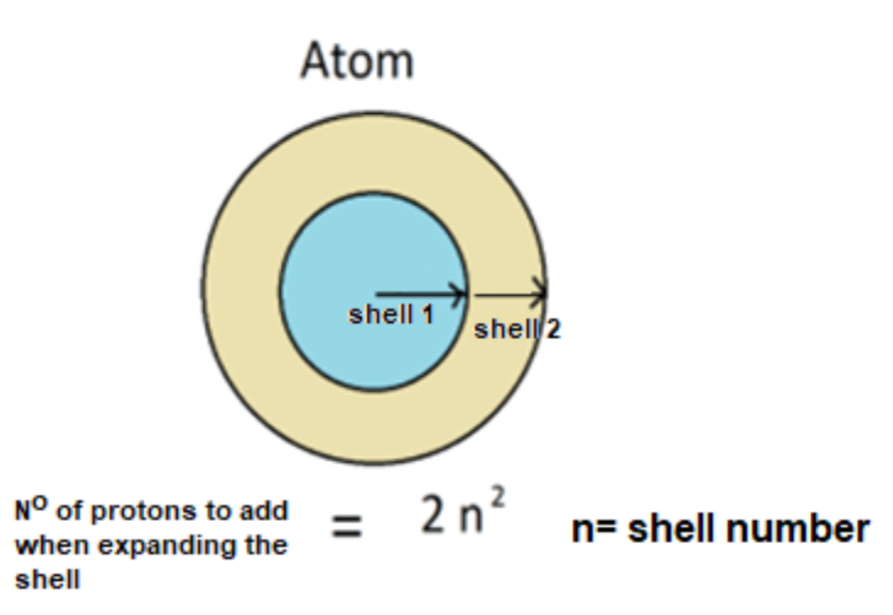
To interpret this rule of the Periodic Table in the world of chemistry and the atom, the most accurate explanation would be to consider “n” as the number of atomic layers formed.
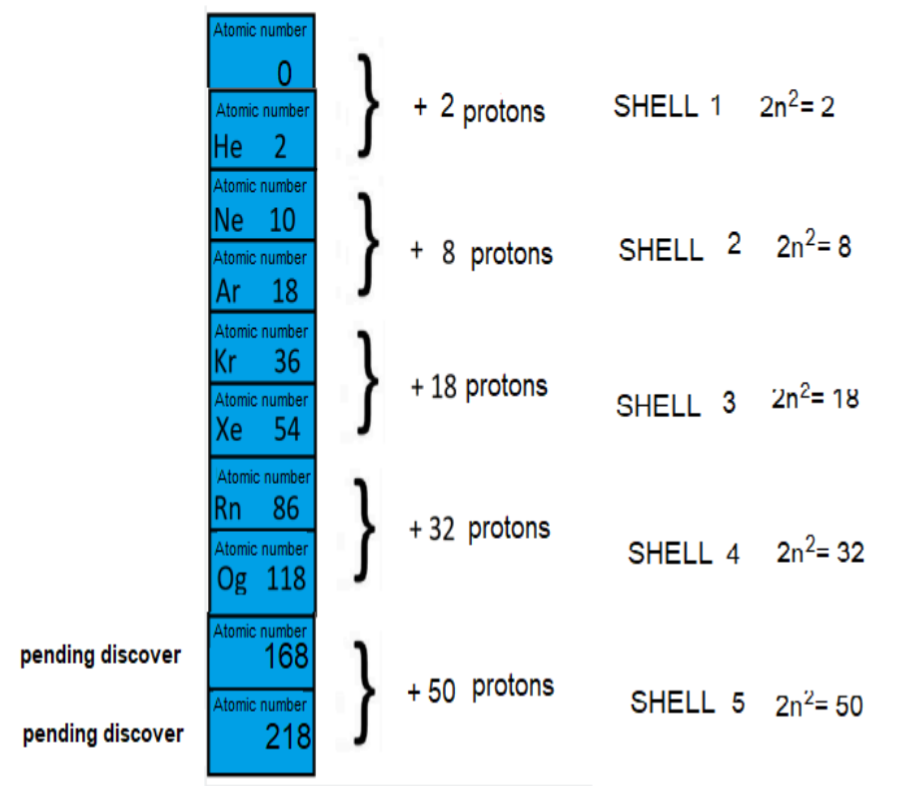
The last Noble Gas discovered on 2002 year is Oganesson; following the “Angel’s Rule” the next Noble Gas when discovered will keep this atomic number:
(Oganesson atomic number 118): 118 + 2n²= 118 +2x5² = 118 + 50 = 168
Then the atomic number of the next Noble Gas, when discovered, and following “Angel's Rule”, will have atomic number 168
Noble Gase’s list would be as follows:
2) ATOM SHAPE
We can relate the formula
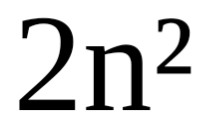
from different perspectives; to understand atom shape and how it expands its layers:
2.1) RELATIONSHIP BETWEEN PERIODIC TABLE'S RULE AND SPHERE'S VOLUME
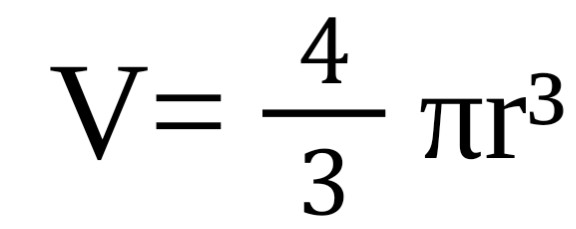
Volumes in general are associated with radius elevation to the third power, while magnitudes raised to square are related to surface calculations.
One can infer atom growth is associated with surface magnitudes sinc the Table's Rule also raises “n” to square.
2.2) COMPARISON BETWEEN SPHERE SURFACE AREA AND PERIODIC TABLE'S RULE
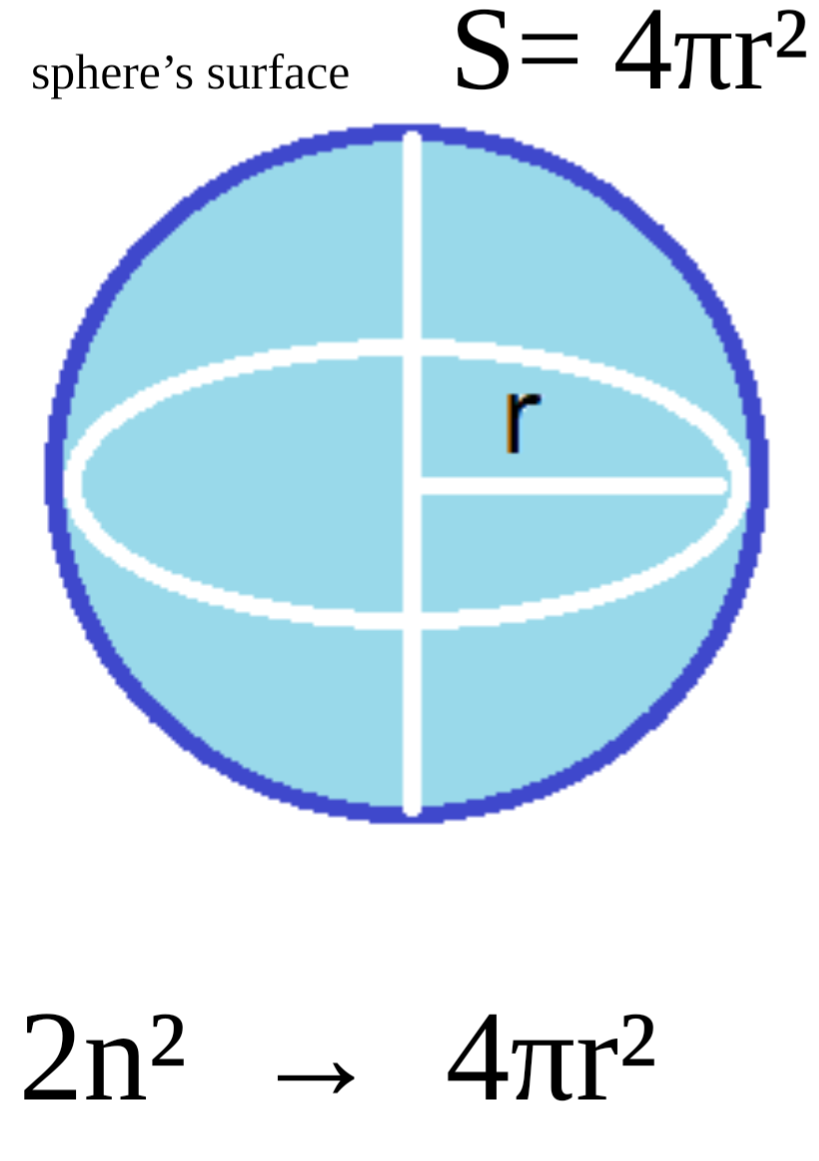
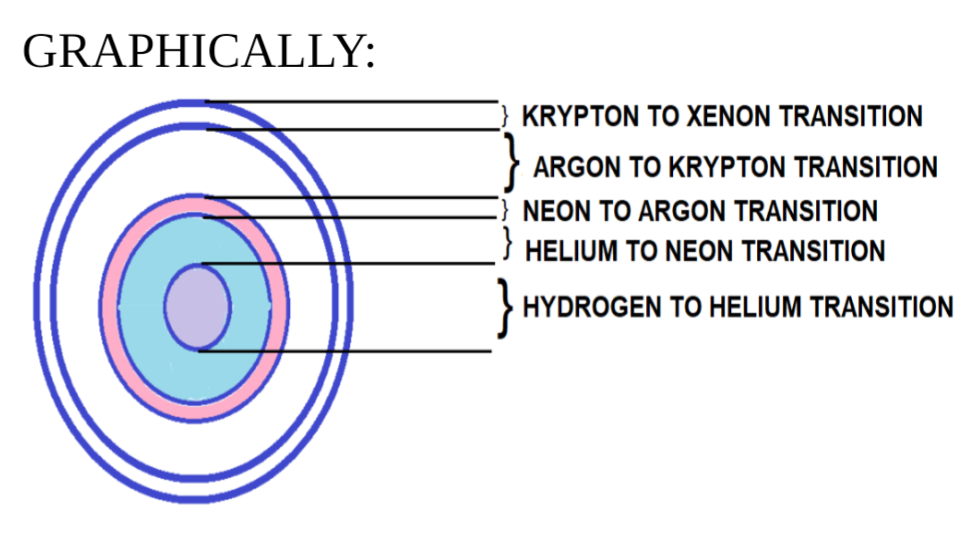
Interpretation: atom would expand its layers with a number of electrons equivalent to the added protons following the instructions of the surface area formula of the sphere and Table Rule.
However, a growing atom on sphere’s surface area doesn’t explain sequence’s duplicity.
2.3) COMPARISON BETWEEN CIRCLE'S SURFACE AREA AND PERIODIC TABLE RULE:
circle surface area = πr²
How can Table Rule, whose measurement unit is protons, be compared with circle’s area formula, whose measurement unit is length?
To do this, it must be assumed that atomic number = number of protons = number of electrons
In general, in an atom, number of protons = number of electrons.
Table Rule measurement unit would be space required by an electron to describe its orbit.
Only in this way can Angel's Rule and circle’s area formula be compared, since both have similar length magnitudes.
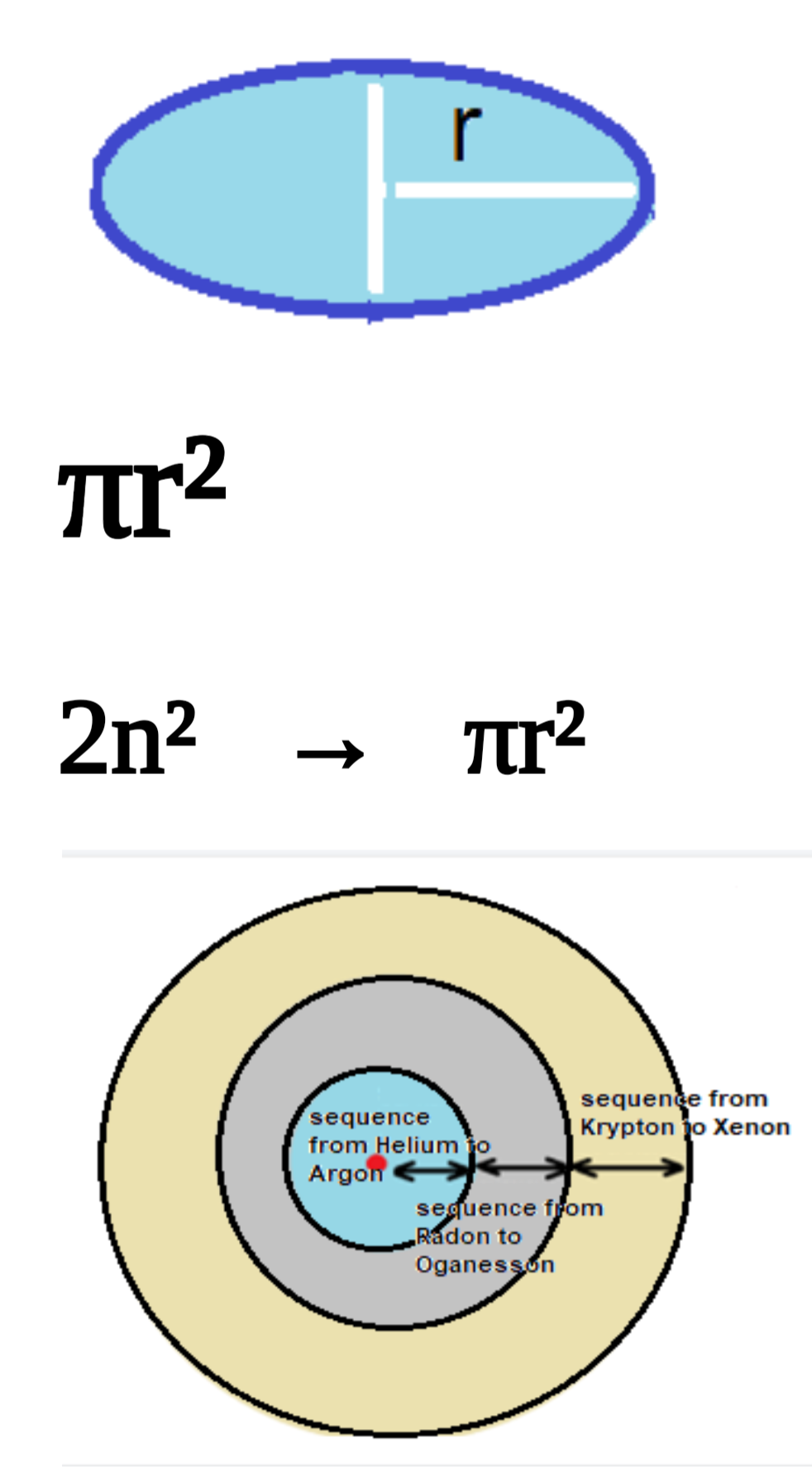
By comparing "2n²" with "π r²", it is obvious that "2n²" is a good approximation for "π (3,14) r²".
Therefore, one can think of an atom growing in a circular pattern.
However, a circles growing atom does not shed light on sequences duplicity.
To explain duplicity, we must imagine a bilaterally growing atom, and among possible models, an atom tornado pattern would be compatible.
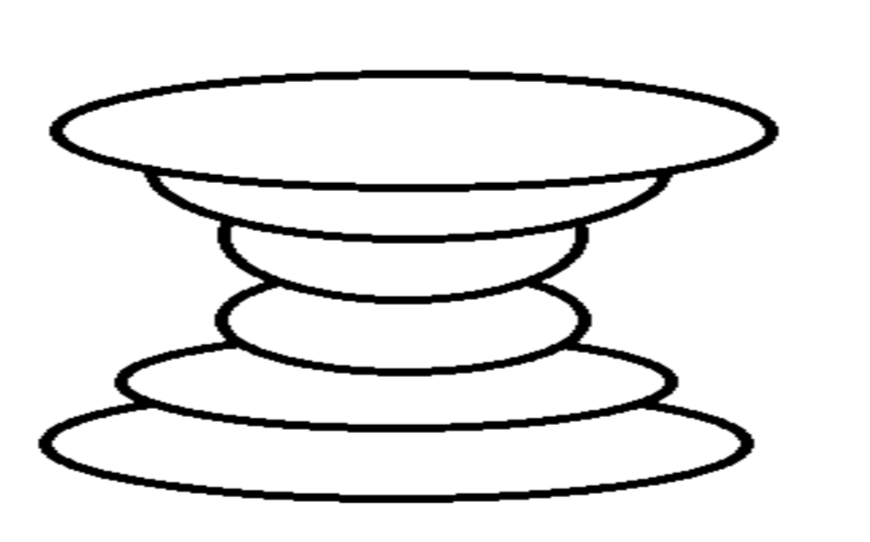
Atom, as tornado, would have 2 growth circles and could finally explain sequences duplicity. Atom would grow through one of the open circles until reaching next Noble Gas and then continue through the opposite circle until reaching next Noble Gas again. Logic would suggest that electrons would circle their ring concentrically: Thus, Neon would have 8 electrons transiting in one of the outer circles.
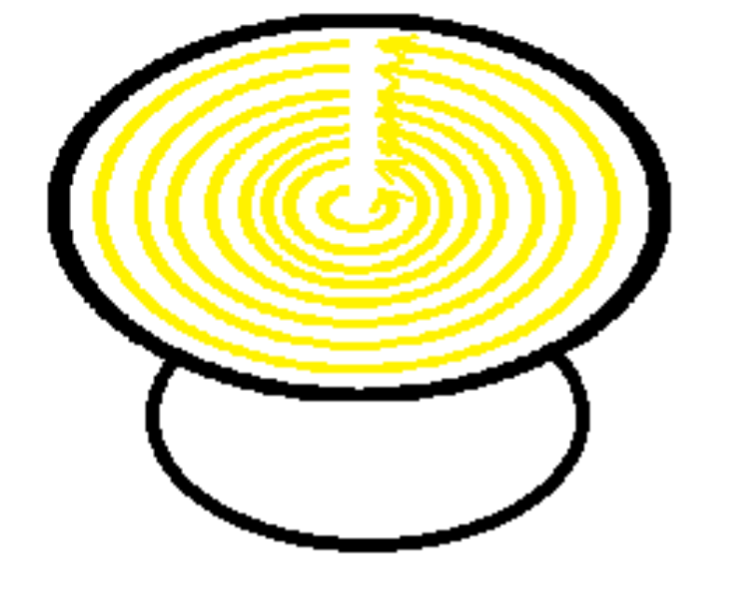
And Argon would have 8 electrons transit on each one of its 2 outer circles.
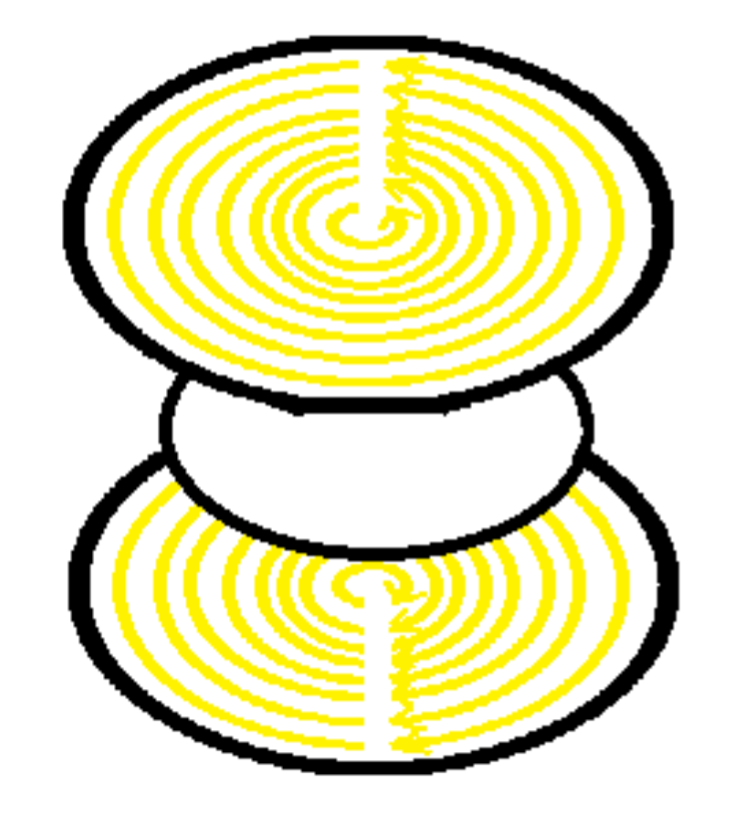
Krypton would have 18 electrons transit in one of its outer circles.
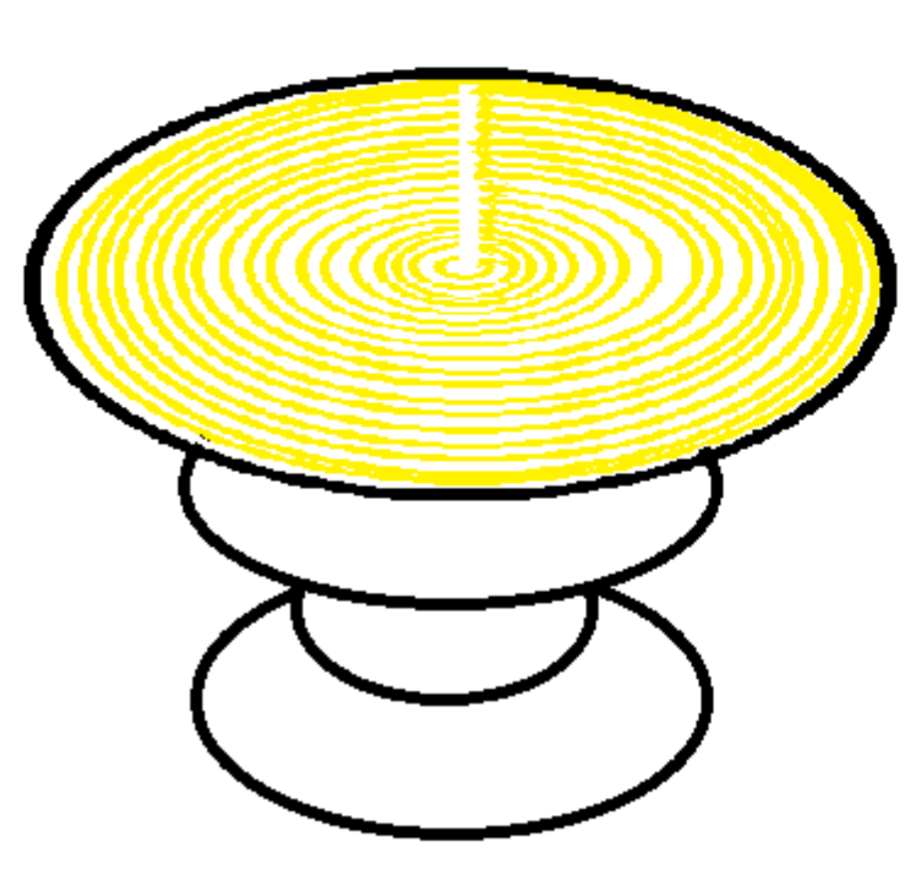
Xenon would have 18 electrons transit on each one of its 2 outer circles.
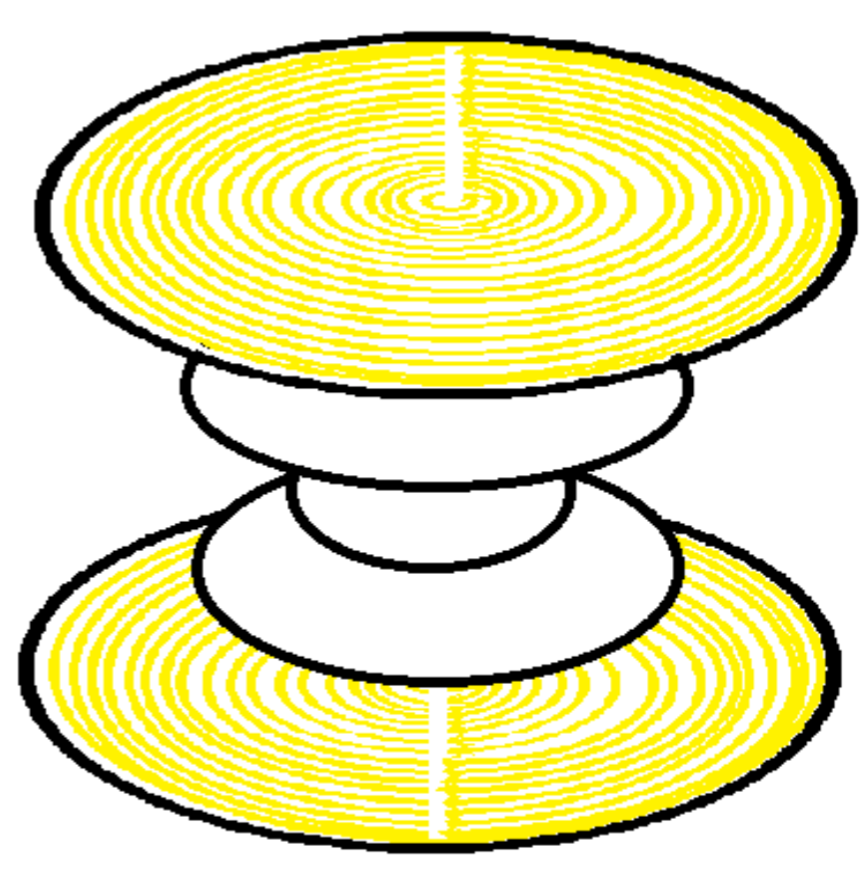
Tornado-shaped atom would indeed explain duplicity of 2 sequences. The hypothesis would be atomic tornado could form due to proton's spin in atomic nucleus . Greater number of protons, atomic spiral gains more strength, and circular atom layers increase, accommodating a proportional number of electrons.
Observing atomic tornado from above:
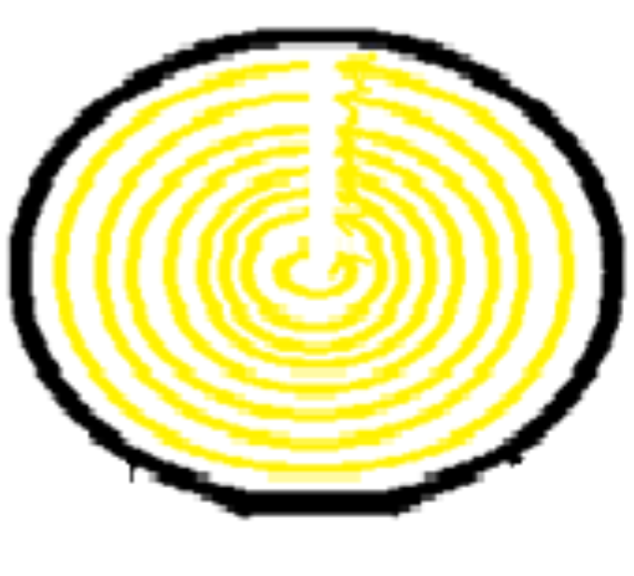
There is a spiral shape.
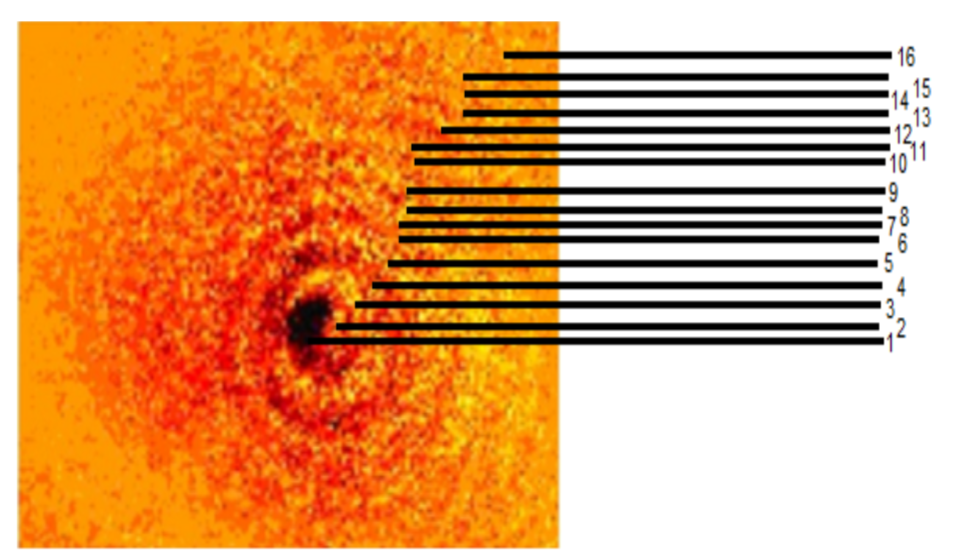
This spiral would fit with photo taken by a team from Griffith University in Brisbane (Australia) that was able to photograph the shadow of a Ytterbium atom.
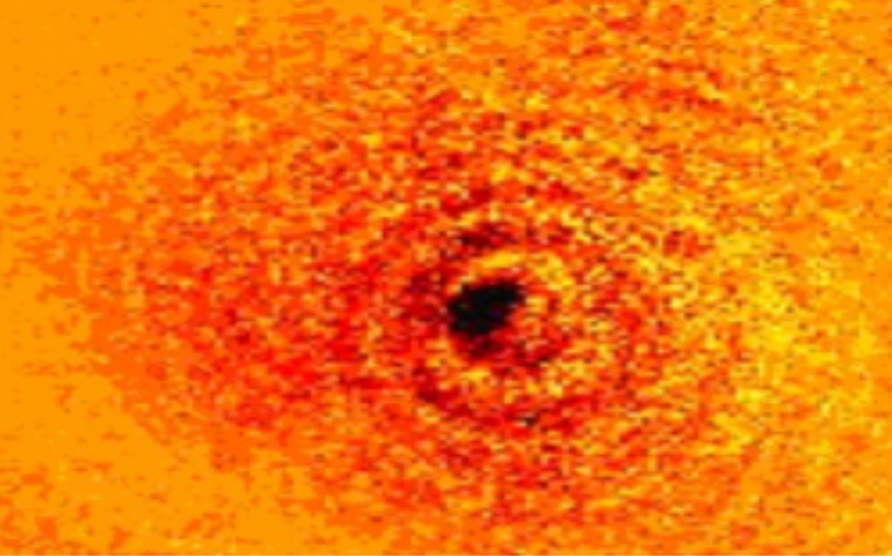
Following this methodology and analyzing Periodic Table, Ytterbium should maintain 16 electrons revolving in the Outer Circle of the tornado. ( Xenon atomic number 54; to Ytterbium atomic number 70; 70-54 = 16)
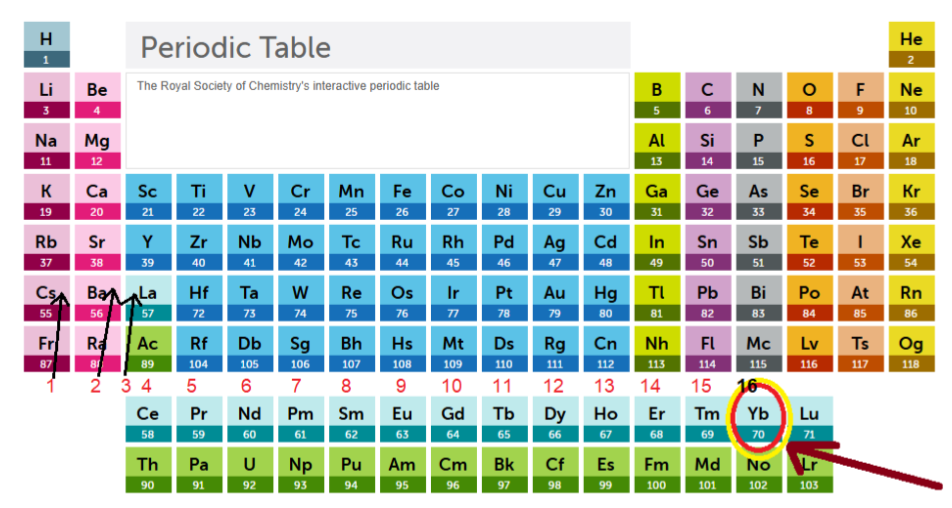
In fact, there are 16 grooves on photo, which would confirm this theory of Tornados; however, the photograph of Ytterbium shadow is not enough, and we must wait to confirm it with shadows of more chemical elements on future.
Thus, we arrive at a new atom structure that should guide atomic chemistry on future. Atom expansion forming circles and tornadoes would be the base of this Theory.
3 “PERIODIC TABLE RULE" TRANSCENDENCE
To date, there is no known scientific study that has addressed this, Rule;
the closest is:
According to Pauli's principle, maximum number of electrons allowed in each layer of the atom is 2n² where "n" is atomic layer number.
However, this principle is a norm that has nothing to do with "Periodic Table Rule."
This Rule constitutes true foundation of organic and inorganic Chemistry study, as it studies atom with direct reference to Periodic Table.
Currently, Periodic Table study is based on the Octet Rule; but which is Octet Rule origin?
Why Scientists like John Newlands and Gilbert N. Lewis arrived at the Octet rule;
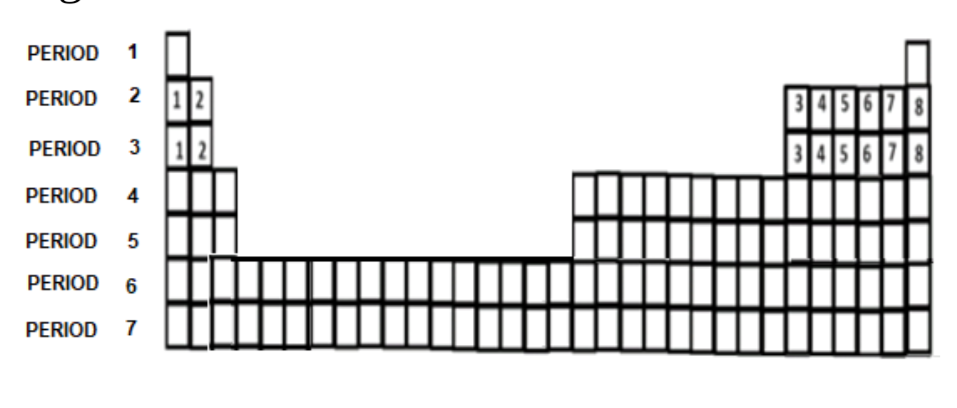
Studying Periodic Table’s first elements of the first row (Period 2);
observing from the first Noble Gas Helium (Atomic number 2), one proton and therefore one electron were added to the following elements:
"Li-Be-B-C-N-O-F-Ne".
By the time they reached the next Noble Gas Neon, 8 protons and 8 electrons had been added.
Since from Helium to Neon 8 electrons were added to its outer shell, it was deduced that an atom tends to complete its outer shell with 8 electrons in order to be stable (Octet Rule).
In the 3rd row of the Table (Period 3), they observed that 8 electrons were also added from Neon (atomic number 10) to the next Noble Gas Argon (Atomic number 18).
This confirmed Octet Rule, "Elements, to be stable, tended to complete 8 electrons in their outer shell."
This octet rule, which was fulfilled on the first rows of the Periodic Table (Periods 2 and 3), was generalized for the entire Table, arguing that if it was fulfilled in the first periods, logically it should be fulfilled in all elements of the Table, specifically in their outer atomic layer.
Octet Rule was taken as the foundation of chemistry, and all current chemistry was built upon it:
Schrödinger's orbitals, Madelung Rule, Pauli's exclusion principle, Lewis’s structure, etc.
4 CONCLUSIONS
Octet Rule is merely the first phase of Angel’s Rule and therefore, as this rule is more general, global, and mathematically demonstrated with the same Table;
consequently, chemistry should adapt to this Rule on future.
Tornado-like atomic shape is a subjective and unproven hypothesis that must be subject to further testing and critique.
Angel's Rule, however, is a mathematically proven rule and therefore likely to create a new line of research into the chemical elements and the Periodic Table.